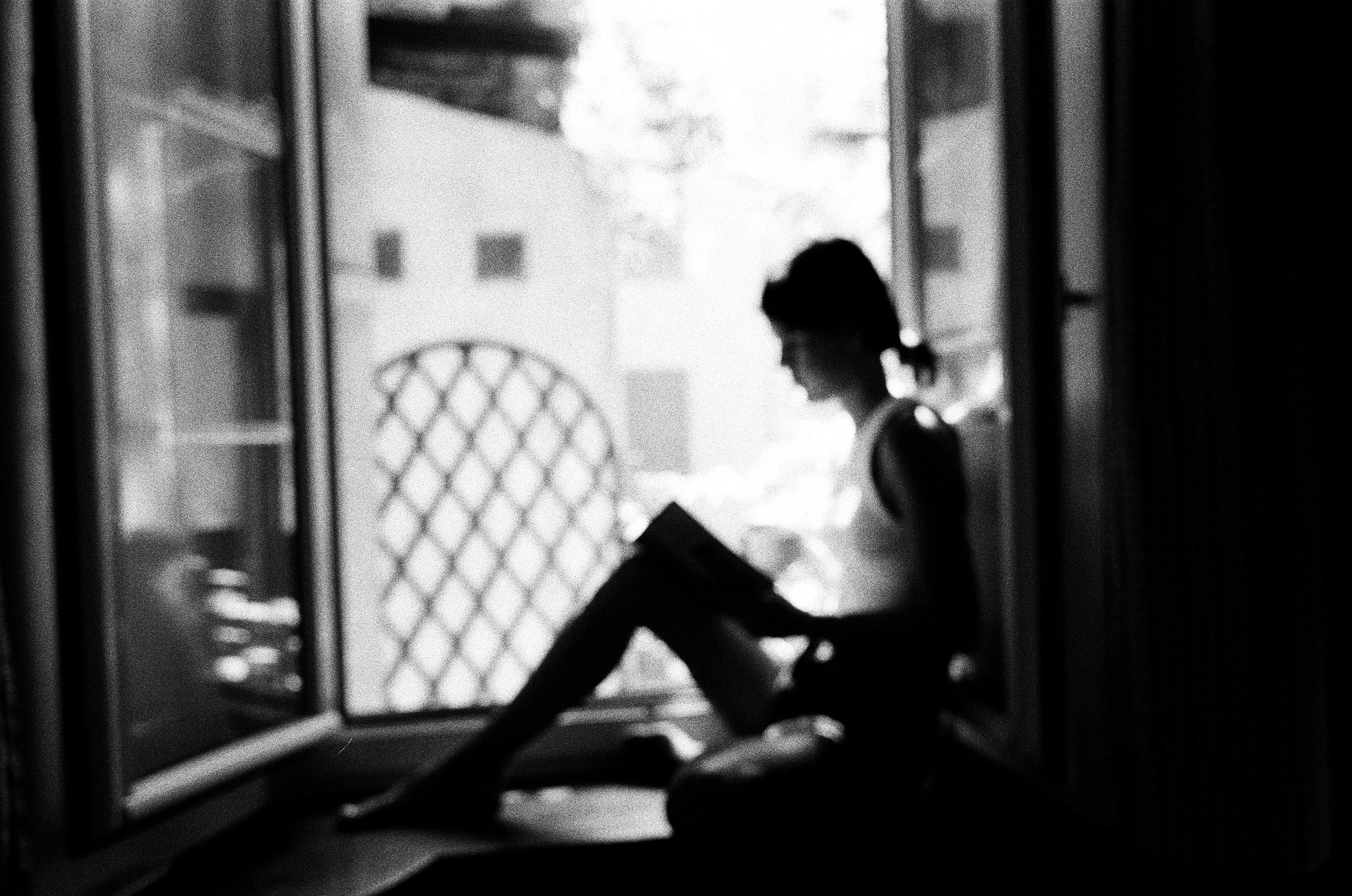
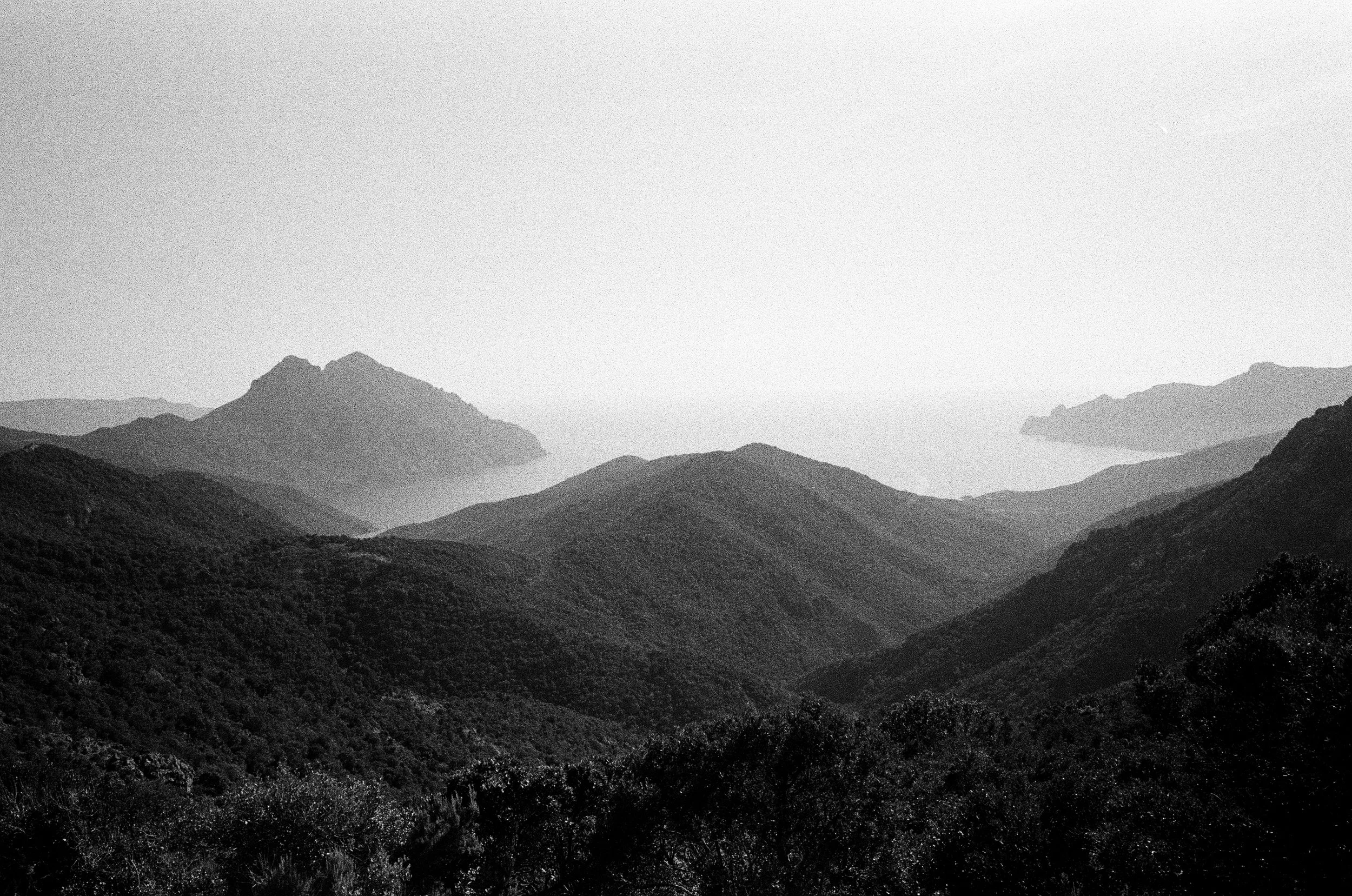
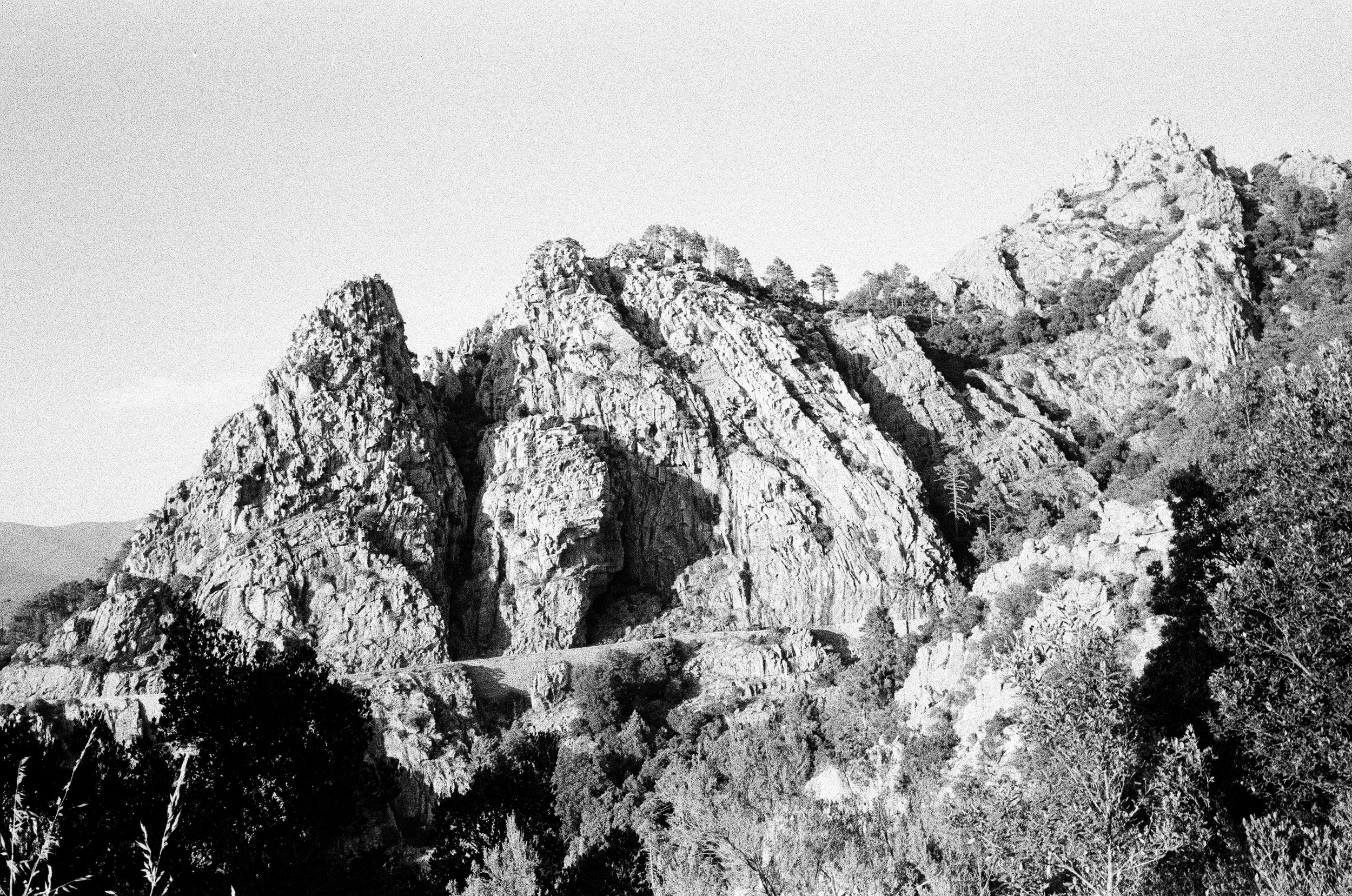
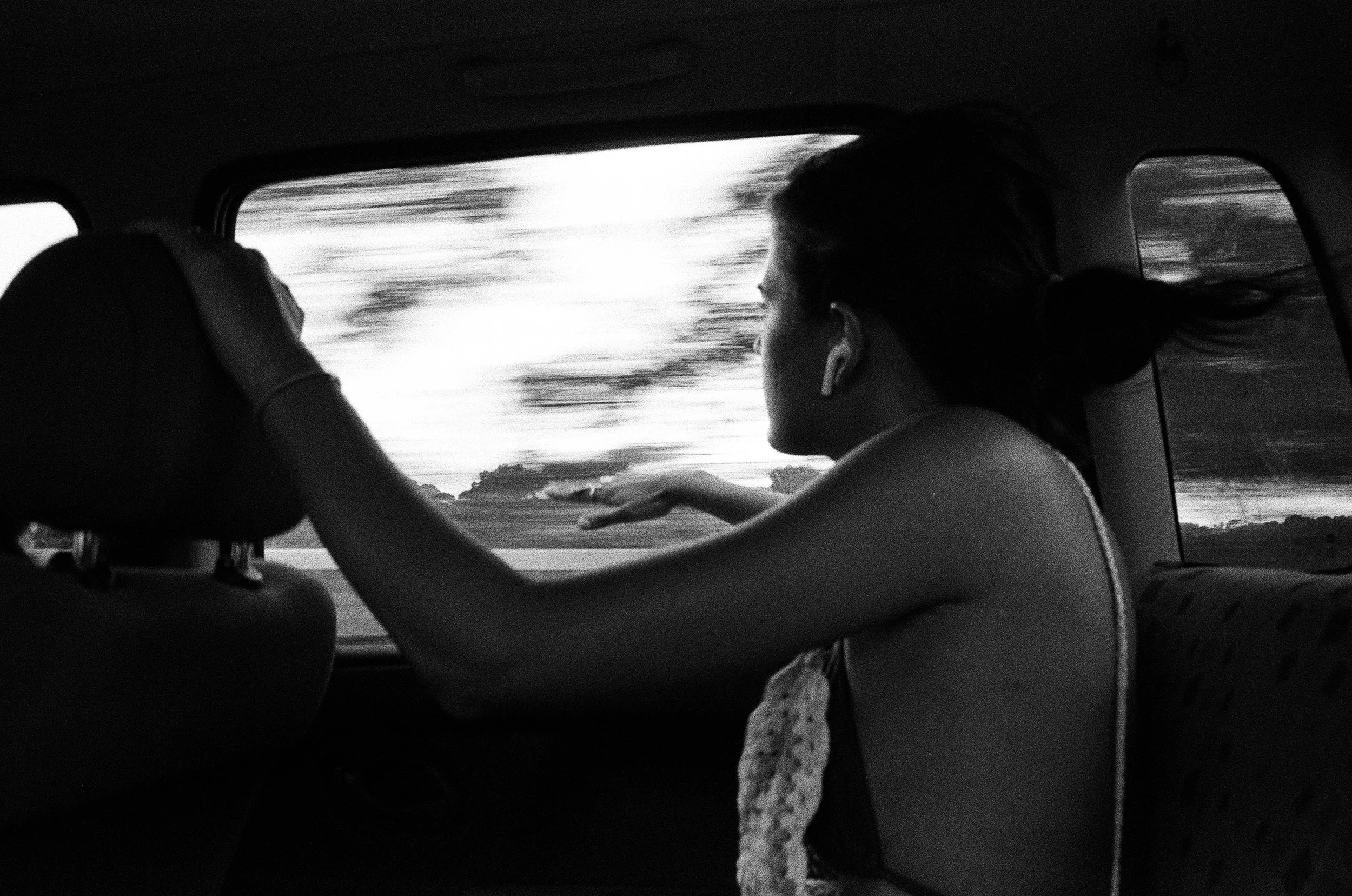
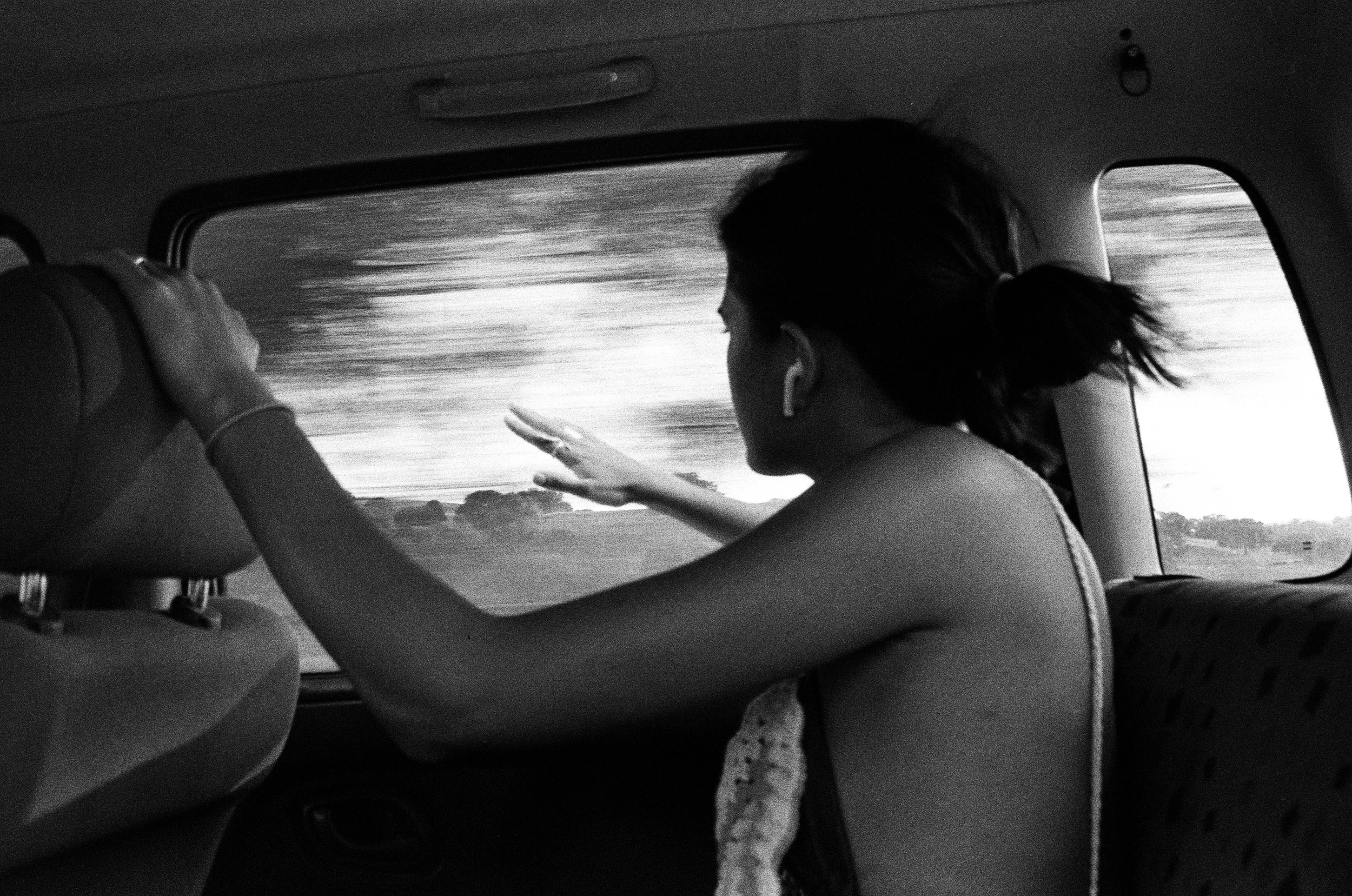
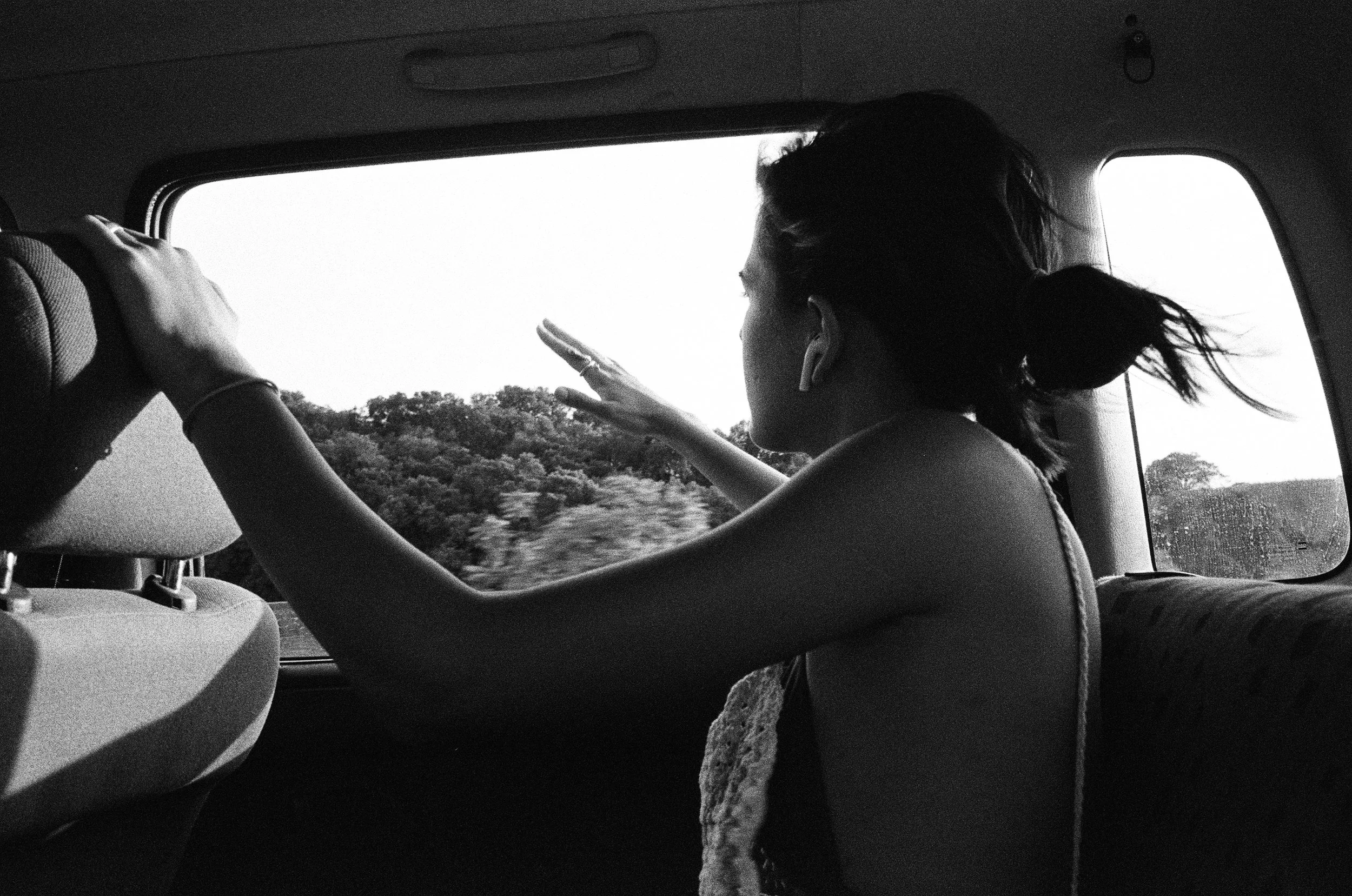
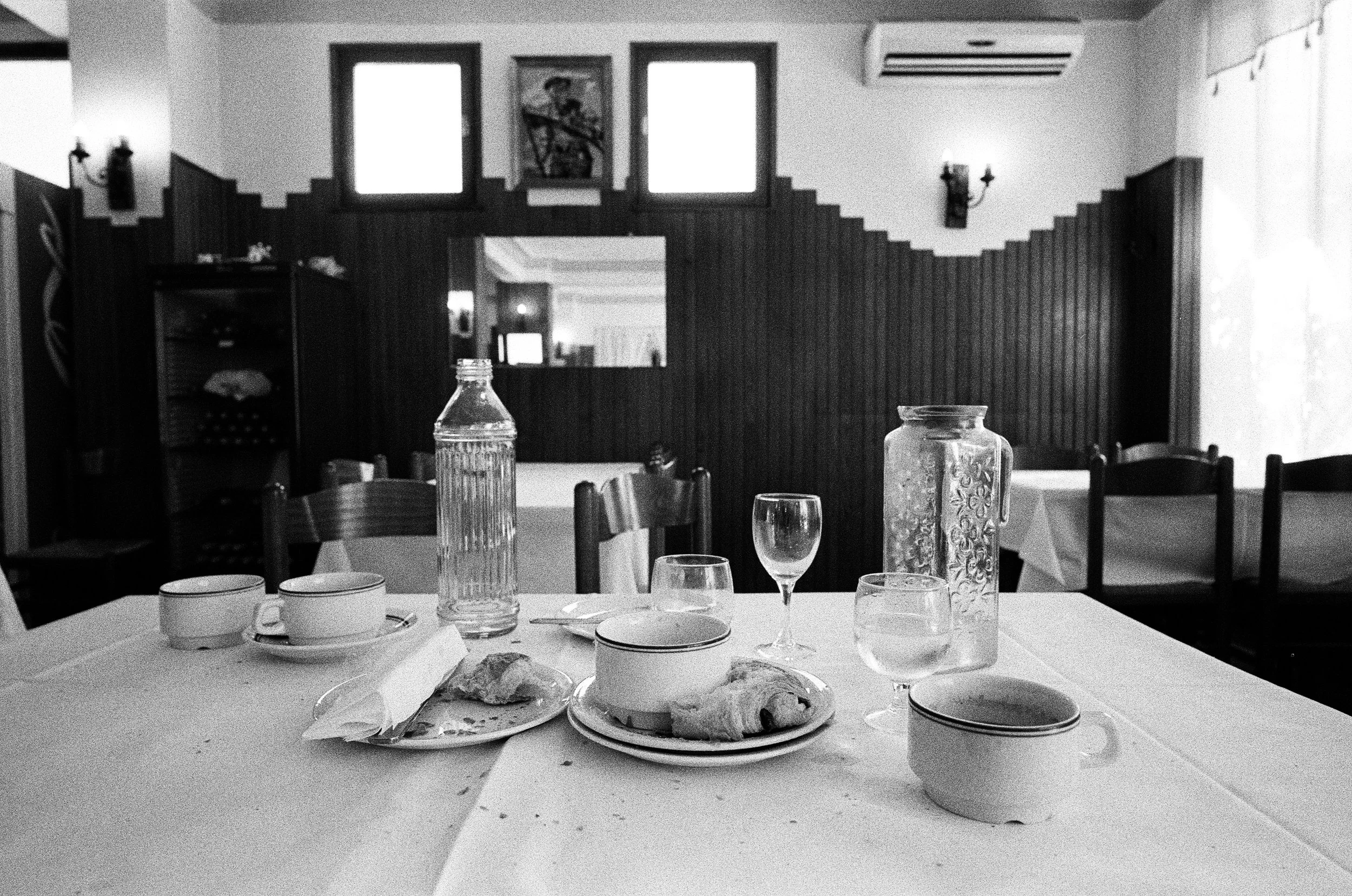
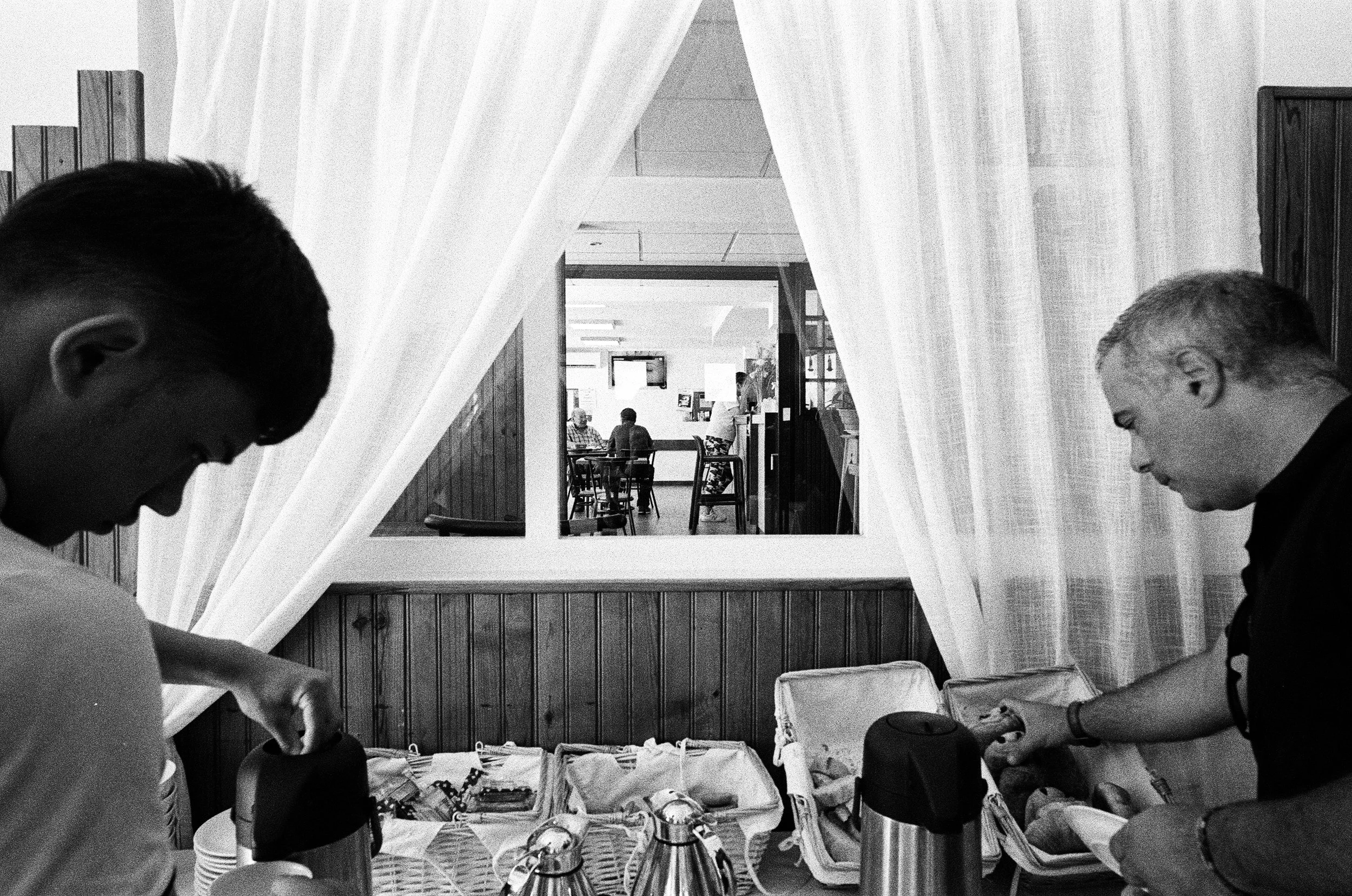
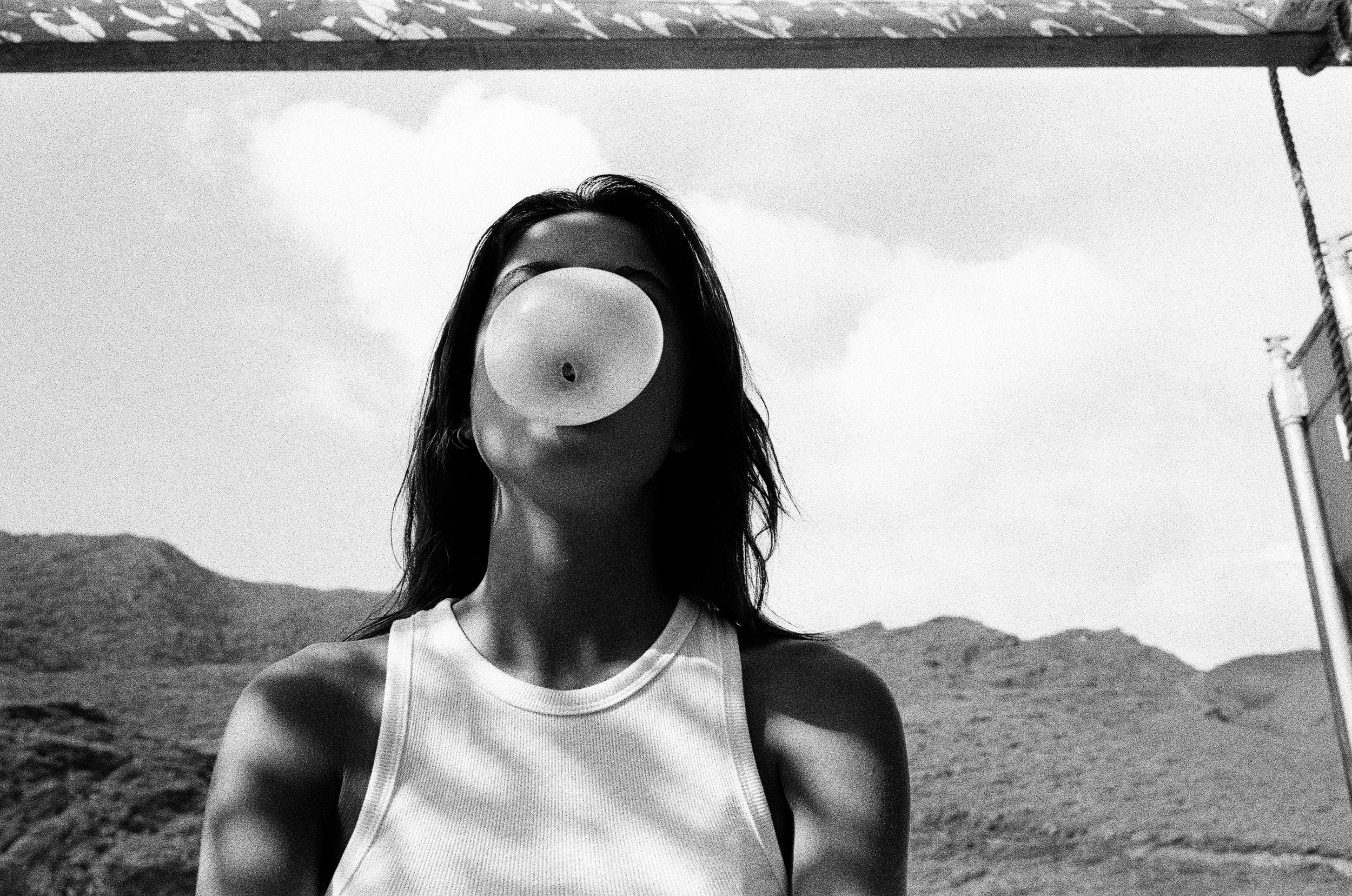
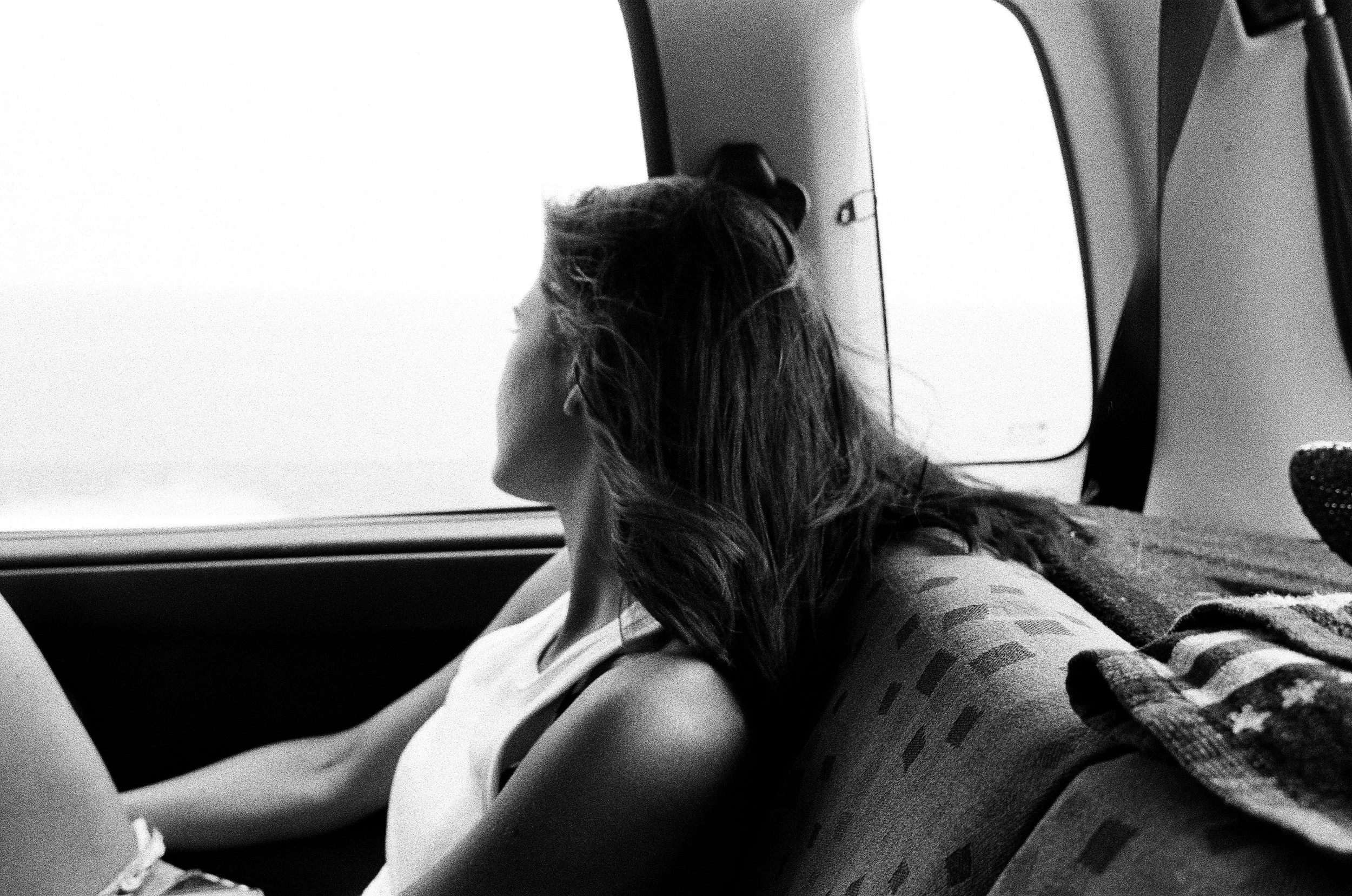
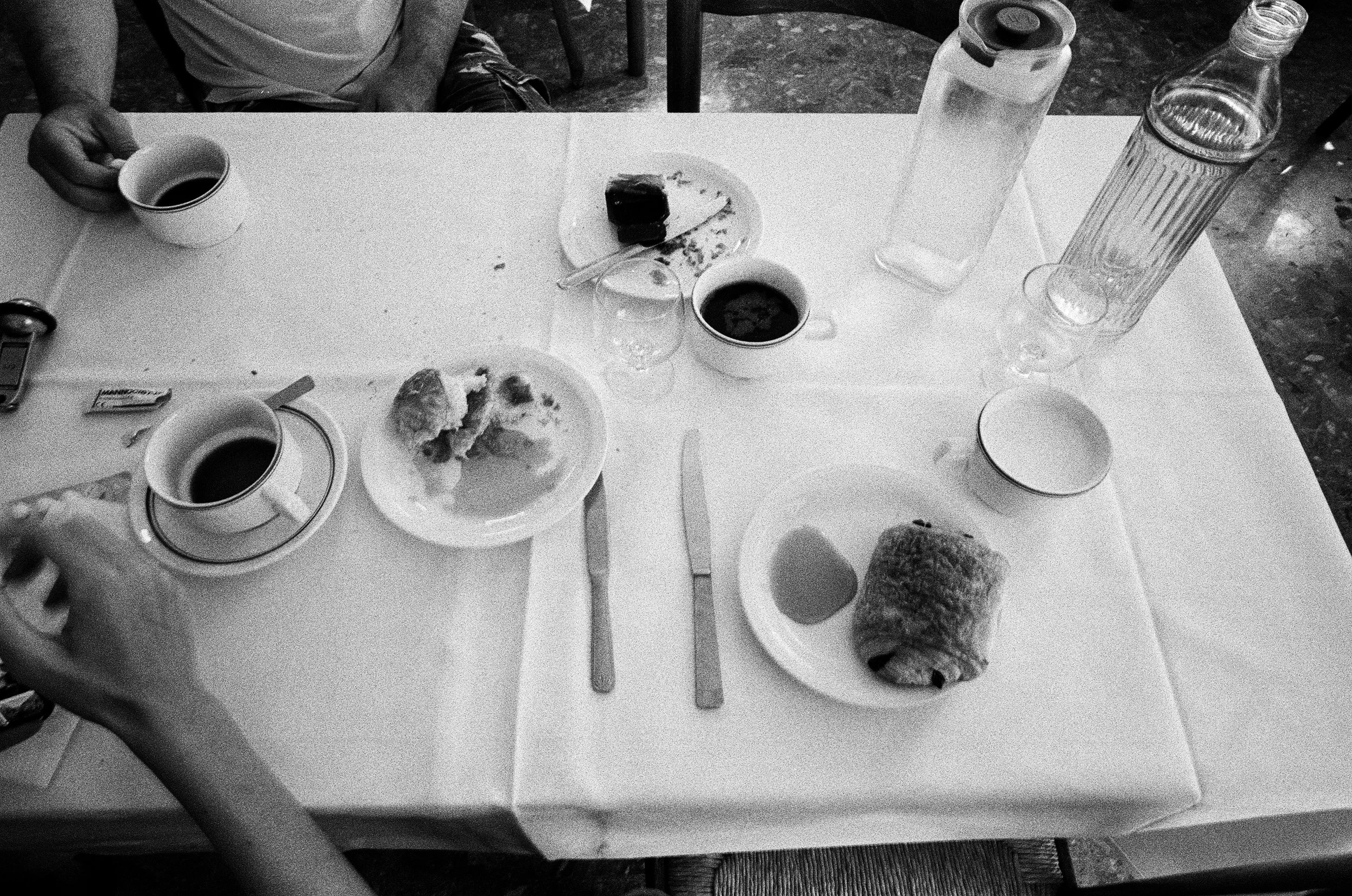
For as long as memory reached, there had been croissants and pains au chocolat: the clean crack of pastry, cold milk, coffee, and the certainty that breakfast should always to begin this way. During the first mornings in Corsica, that small pleasure accompanied the road around the Mediterranean island. At every turn, mountains rose above the coast, and another view appeared before the last had quite disappeared.
Corsica was known then through a handful of facts: Napoleon had been born there; the island belonged to France, though many Corsicans did not consider themselves French; French was spoken; pastries were eaten for breakfast. It was possible, for a while, to travel through a place while seeing only what one already knew of it.
On the fourth day, a mother suggested that glasses might help. Then the sea came into focus: its colour, the waves breaking against the rocks, the steep mountains following the edge of the road. Pride prevented any admission, but perhaps that was the first day Corsica was truly seen.
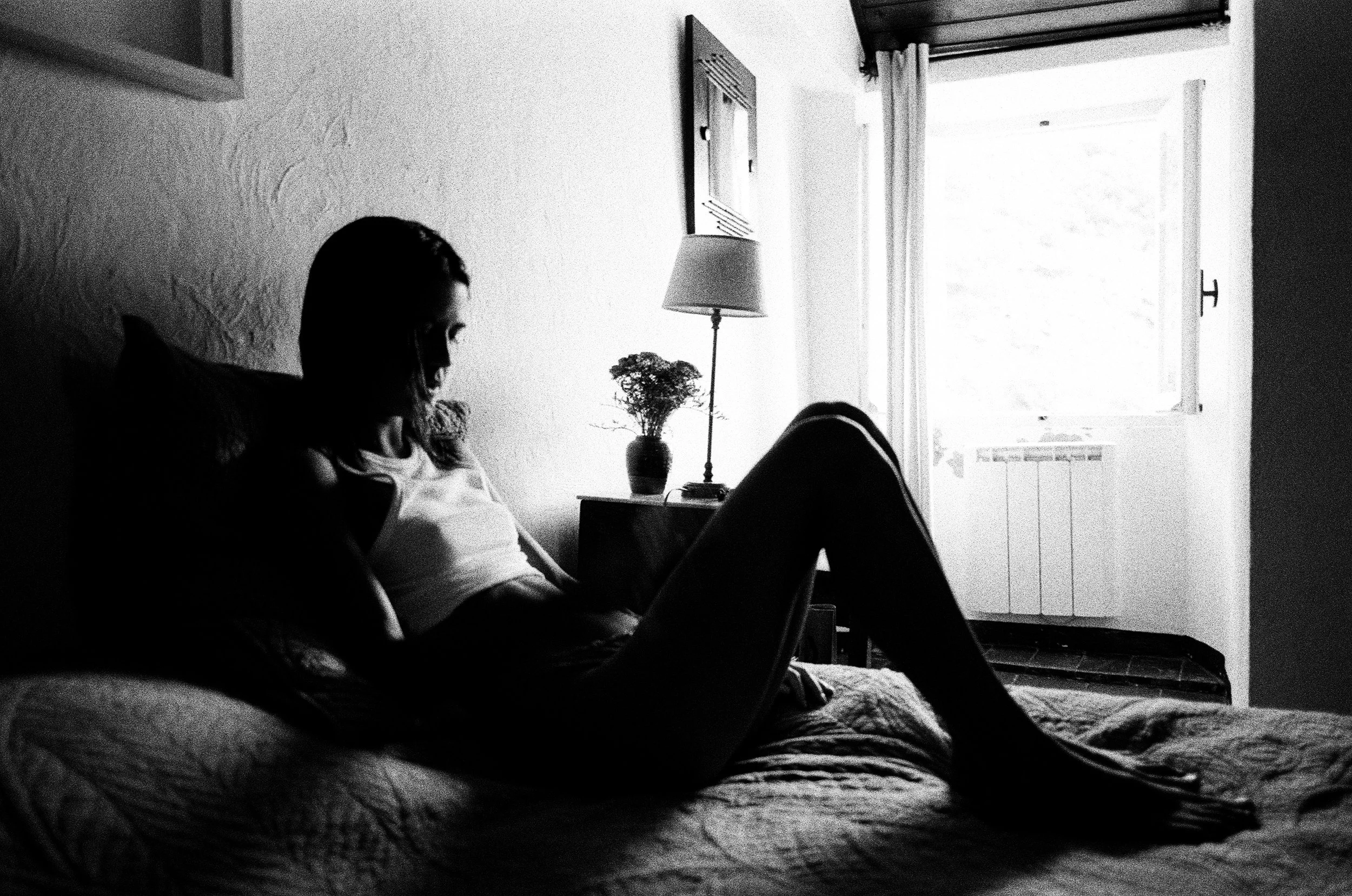
The journey was shared with parents and a best friend, with whom there was a room, long stretches of silence, and the occasional conversation held over a cigarette. The mornings continued, though the pastries gradually lost their novelty. What remained was the coast: sea, stone, mountain, and the road carrying everyone quietly between them.